
Why SIM card vending machines aren’t the future for international roamers
SIM vs. eSIM is like Blockbuster vs. Netflix
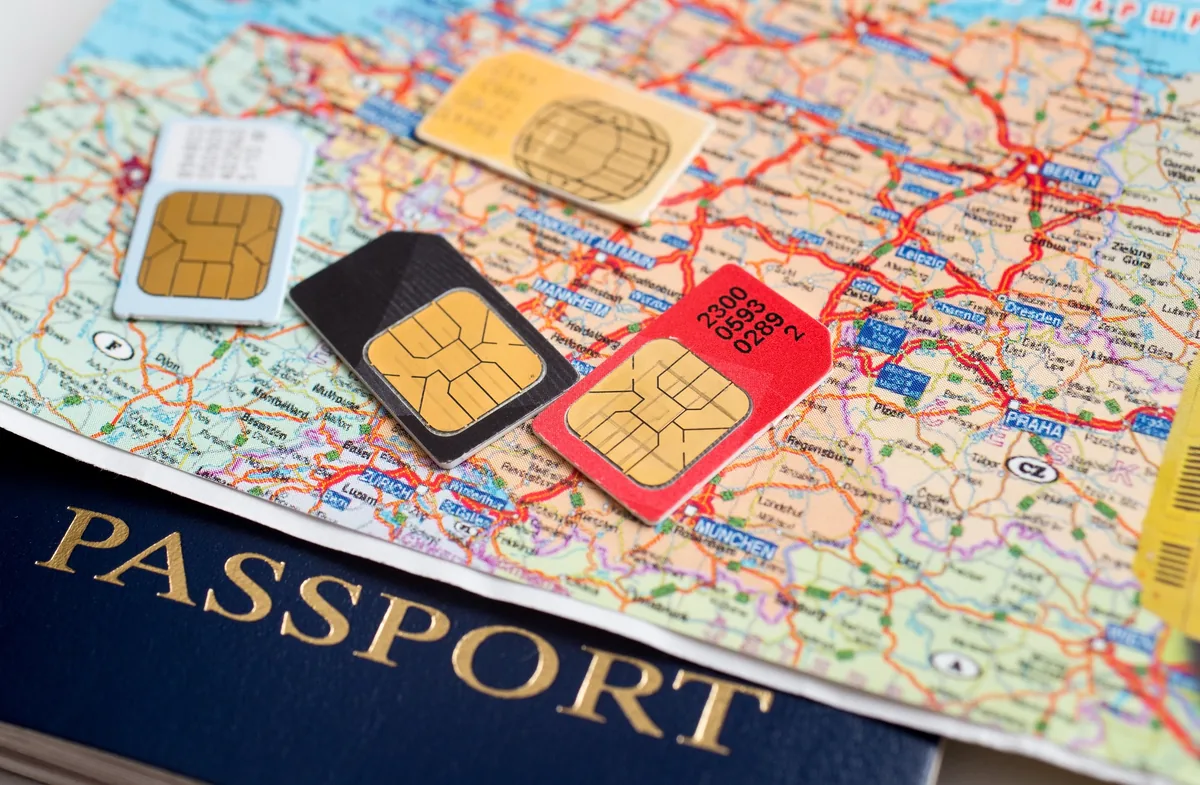
It’s a quaint concept in today’s software age; the idea of using a machine (like the claw crane grabbers you get at seaside arcades) to enable your incredibly powerful, app-driven mobile computing device.
But that’s what SIM card vending machines do.
A common fixture in airports and international travel hubs for the last 10 years, SIM card machines offer travellers a last-minute opportunity to access cheap mobile data and avoid expensive roaming charges.
But that’s all changed because of eSIM. eSIM spells the end of physical SIM cards, which is better for travellers, better for the environment, and allows travel companies access to a massive value-adding upsell opportunity to their existing customers.
SIM vs. eSIM is like Blockbuster vs. Netflix
eSIM (embedded SIM) removes the need for traditional SIM cards, allowing mobile data packages to be offered in a much simpler way. All major handset manufacturers have been producing eSIM-ready devices at scale for several years – there are hundreds of millions being used already. Most new devices now support both eSIM and SIM. By 2025, eSIM smartphone penetration will exceed 42%, according to the GSMA.
The mass market for consuming mobile data is moving on, just like it did for TV and movie content. That’s opening it up for new ways of delivering what customers need. The great travelling public want mobile data – and lots of it – and now SIM card usage is dying off, travel companies are perfectly placed to provide it.
eSIM mobile data is reopening revenues worth billions a year
Mobile data is slap bang in the centre of the travel industry sweetspot. People travel, therefore they consume data. And when they go internationally, travel operators and agents have the perfect opportunity to offer relevant packages.
Travel companies have stayed away from adding mobile data to their lists of ‘travel extras’ because SIM cards always made it too hard. Not only has that constraint disappeared, eSIM also plays to another travel industry strength – the digital app experience. There are various ways to present and execute eSIM-based mobile data propositions, but the most evolved is using APIs to bring eSIM marketplace capabilities into your existing app experience.
The potential revenues are significant – travellers going international are estimated to spend in the region of $35 per trip on mobile data. Looking both at annual traveller numbers and the scale of those equipped with devices compatible with eSIM, by 2025 it’s a total serviceable market of nearly $20 billion a year. And that number is only going to get bigger.
eSIM optimises consumer experience and choice
eSIM is faster and easier from the traveller’s perspective. No more fiddling with paperclips, pulling out the guts of a phone to self-install tiny, sensitive components. Shopping for mobile data packages can be fully supported within a digital brand experience – and eSIM-enabled phones are already programmed to guide simple eSIM settings changes.
Let’s face it, shopping for SIM cards can be an uncertain and seedy experience. Just who is the local SIM card operator you’ve bought from, and are you really happy putting their tech into your phone? Modern (if that’s the right word) SIM vending machines will also demand extremely sensitive personal information in order to transact, such as biometric data, an image of your passport and credit card details.
These privacy concerns don’t apply to the eSIM experience. If the traveller is happy to trust their phone and their travel app with their personal details, there’s no need to pass it to a third party.
eSIM helps save the planet
While we’re covering eSIM advantages, don’t forget the green benefits. eSIM technology is reducing carbon emissions and removing tonnes of harmful plastics from circulation. The plastic waste associated with SIM cards is significant when you consider that in many markets there are more SIM cards than people. Also, travellers that use local SIM cards for their trips contribute a lot more plastic waste than those who never travel and use the same SIM card habitually. Carbon reductions result from the removal of SIM cards from supply chains; no more shipments and postal deliveries. And no more powering the 1970s robotics of vending machines.
The SIM card extinction event has already begun. Which is why eSIM propositions are far more common, and SIM card vending machines an increasingly bizarre sight.
Talk to one of our experts about how eSIM Go works with travel firms, allowing them to take advantage of their eSIM opportunity.